Insider Tips for Enjoying a Gin Bar NYC Like a Local
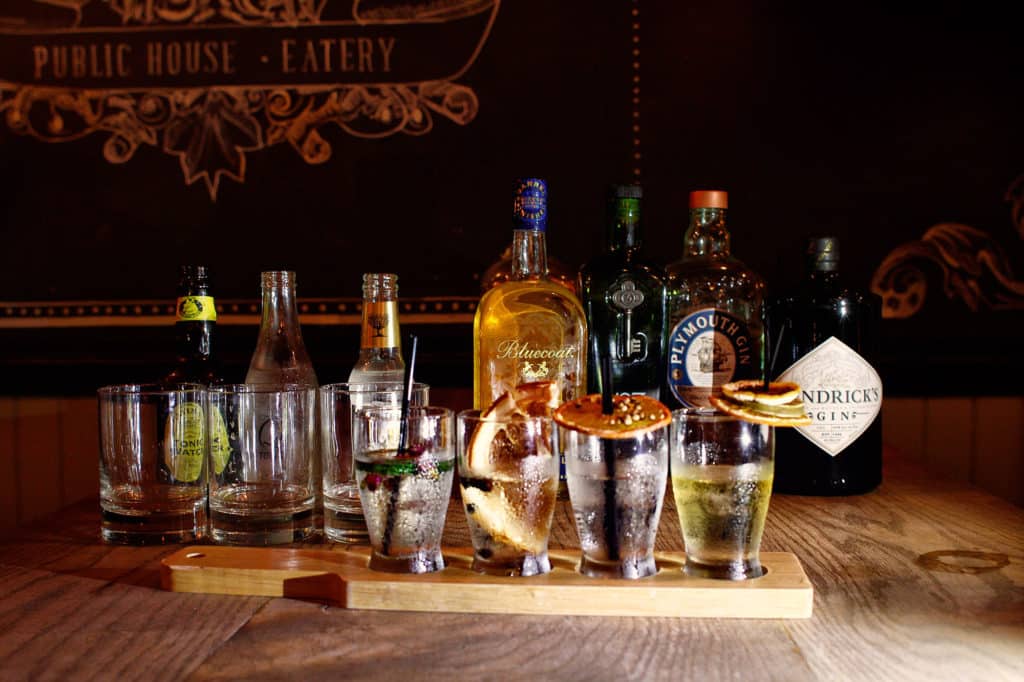
New York has always rewarded curiosity. That is especially true when you step into a gin-focused bar. At first glance, a gin menu can look like a wall of Latin botanicals, ornate bottle labels, and cocktail names that seem designed to test your confidence. Locals know it is much simpler than that. The best way to enjoy a Gin Bar NYC experience is not to pretend you know everything. It is to know how to order well, when to ask questions, and how to match the room to the night you actually want.
Gin bars in the city are not all trying to do the same job. Some lean polished and almost culinary, with house tinctures, carefully cut ice, and staff who can talk about juniper varieties for ten minutes without sounding rehearsed. Others are neighborhood spots where the martinis are cold, the music is low enough for conversation, and the bartender remembers who likes a twist and who wants olives. Both can be excellent. The trick is recognizing what kind of place you are in, then playing to it.
If you approach a gin bar the way locals do, the whole night gets better. You order faster, spend smarter, avoid the tourist traps on the menu, and leave with the feeling that you found a real corner of the city rather than a performance of one.
Know what kind of gin bar you walked into
The phrase Gin Bar NYC covers a wide range of rooms and moods. A bar in the West Village with candlelight and a serious backbar is not the same as a hotel lounge in Midtown, even if both stock fifty gins. One is likely built around regulars and bartender judgment. The other may be built around throughput and consistency. Neither is automatically better, but they reward different behavior.
A local usually takes the measure of the room within the first few minutes. Look at the speed of service. Watch whether guests are ordering classic cocktails or mostly spritzes and espresso martinis. Glance at the backbar and the printed menu. If the menu gives tasting notes for each gin, you are probably in a place that welcomes questions and guided choices. If the menu pushes a handful of high-margin signature drinks with decorative glassware, it may be wiser to keep your order clean and classic.
That matters because gin is one of the most flexible spirits behind the bar. It can be bright and citrusy, resinous and piney, floral, savory, peppery, or soft enough for someone who normally drinks vodka. A good bar can steer you anywhere in that spectrum, but only if you order in a way that gives them something useful to work with.
Order by profile, not by proving you know brands
One of the biggest mistakes people make at a gin bar is fixating on labels. Brand familiarity helps, but it is not the smartest way to get a drink you will love. Bartenders can do more with flavor direction than with vague enthusiasm.
If you know you like a London dry style with a firm juniper backbone, say that. If you want something softer, more citrus-driven, or less pine-heavy, say that too. If you usually drink martinis with vodka but want to ease into gin, that is extremely useful information. In many bars, that one sentence will get you a better recommendation than naming three bottles you have seen online.
A local order often sounds unflashy. “I want a martini, gin-forward but not too aggressive, with a twist.” Or, “Can you make me a gin and tonic with something crisp and dry, not floral?” That tells a skilled bartender exactly where to start.
It is the same logic with cocktails. If a menu offers five gin drinks, do not just pick the prettiest name. Ask which one drinks driest, which one shows the gin best, or which one Gin Bar NYC is least sweet. Those questions separate bars that understand balance from bars that hide everything behind syrup and garnish.
The martini tells you a lot
If you enjoy martinis, a gin bar is one of the best places in New York to order one, but it is also where your choices matter most. In a city with thousands of martinis poured every night, locals tend to be specific because precision pays off.
A good martini order covers spirit, ratio, garnish, and temperature expectations. You do not need a speech, just enough detail that the bartender does not have to guess. If you want a very cold, very dry martini with a lemon twist, that is not fussy. That is clarity. If you like a 50/50 martini, say it. If you want something wetter because you plan to have food with it, say that too.
There is also a practical point many people miss. A strong gin choice that sings in a gin and tonic may become dominant in a stripped-back martini. At the better bars, bartenders know this and will sometimes steer you toward a gin with a rounder profile or a touch more citrus lift. Trust that instinct. It usually comes from pouring a lot of these drinks, not from trying to upsell you.
When the room is busy, the best martini move is to keep the order elegant and direct. The longer the explanation, the more room for friction. Locals do not treat a martini like a test of status. They treat it like a cold piece of precision work.
Tonic matters more than most people think
The humble gin and tonic can be one of the smartest orders in the city if you know how to make it work for you. It is quick, revealing, and easier on the wallet than many house cocktails. It also exposes whether the bar pays attention.
In a strong gin bar, tonic is not an afterthought. The ratio, carbonation level, glass size, and garnish all affect the final drink. Too much tonic and the gin disappears. Too little and the whole thing drinks hot. A dehydrated lime wheel may look tidy but add almost nothing. A fresh citrus peel expressed over the glass can change the entire aroma.
If you like gin and tonics, ask one short question before ordering: which gin do you like for a drier G&T? That question works because bartenders usually have a personal preference, and personal preference often reveals the real house standard more honestly than the printed menu.
There is also a budget angle here. In many New York bars, the price jump from a simple gin and tonic to a signature gin cocktail can be significant, especially once tax and tip land. If you are planning a second stop later in the evening, the classic highball can be the smarter choice.
Timing changes the experience
A Gin Bar NYC visit on a Tuesday at 6:15 p.m. Is not the same as the same bar on a Friday at 9:45 p.m. This sounds obvious, but a lot of disappointment comes from ignoring the clock. Some bars show their real strengths in the quieter hours. Others only come alive when the room fills out.
Earlier in the evening, bartenders often have more bandwidth to talk through gins, offer a quick taste if the program allows, or nudge you toward a better fit. If you want to learn, ask questions, or try something nuanced, aim for that window after work but before peak crowd. You will hear better, see better, and probably drink better.
Later at night, the equation changes. Music rises, tickets stack, and the bar has less margin for long consultations. That is when locals simplify. They order classics, trust the room, and avoid turning the interaction into a seminar. This is not about lowering standards. It is about respecting the pace of service.
A packed bar can still be excellent, especially if the energy is part of the appeal. But if your idea of a great night involves comparing a juniper-heavy gin to a more citrus-driven one, choose your timing carefully.
Sit at the bar if you want the real experience
A table can be comfortable, but the bar itself is usually where the education happens. You catch the pacing, the body language, the way staff handle regulars, and the drinks that keep appearing for people who seem to know the place. Those details are useful.
Sitting at the bar also makes it easier to calibrate your next order. If you see multiple martinis leaving the station with twists instead of olives, that says something about the house style. If many guests are ordering off-menu classics, that is often a good sign. If every drink comes out heavily garnished and few people seem to be ordering a second round of the same thing, that tells you something too.
There is a social intelligence to bar seating that locals use well. They know when to engage and when to let service flow. A quick compliment on a first drink can open the door to a great second recommendation. A ten-minute story while the bartender is four tickets deep will do the opposite.
A few phrases that actually help
When you want a recommendation, these are the kinds of prompts that make a bartender's job easier and usually improve your result:
- “I like juniper, but I do not want anything too sharp.”
- “Can you point me to your driest gin cocktail?”
- “I usually drink whiskey, what gin drink would you put me in?”
- “I want something bright and savory, not floral.”
- “What gin on your shelf overdelivers for the price?”
That last question is especially useful in New York, where menus often spotlight prestige bottles while quieter workhorses deliver more character and balance in the glass.
Do not ignore food, especially salty food
Gin can feel lighter than brown spirits, but it can hit quickly, particularly in martini form. One of the most local moves you can make is to order food early, even if you think you are just there for drinks. At minimum, look for olives, nuts, fries, chips, or a savory bar snack. Salt gives structure to the night.
Some of the best gin bars in New York are attached to kitchens that understand how well gin plays with seafood, fried snacks, pickled elements, herbs, and soft cheeses. A briny plate of oysters next to a cold martini is a classic pairing for a reason. So is a gin and tonic with something crisp and fried. The botanicals wake up around salt, citrus, and fat.
There is also a practical social benefit. A shared snack buys time. It slows the table just enough for your second drink decision to be made with a clear head rather than a reflex.
Learn the house style before chasing the weirdest bottle
Every serious gin bar has at least one bottle that tempts people into making the wrong choice. It might be a navy-strength gin, a barrel-rested expression, or something built around unusual botanicals like seaweed, tea, or olive leaf. These can be fascinating, but they are not always the best place to start.
Locals usually test the house first. They order something classic and evaluate balance, ice, dilution, garnish, and temperature. If the basics are strong, then it makes sense to get adventurous. If the basics are shaky, the rare bottle will not save the experience.
This matters even more if you are paying New York prices. Experimental pours and specialty cocktails can get expensive fast. There is nothing wrong with splurging, but there is a difference between spending on craft and spending on novelty. The city offers plenty of both.
A bartender once put it well after steering someone away from an obscure bottle for a martini: “You can taste that gin better in a half-pour on the side than buried in your first drink.” That is smart advice. Curiosity and restraint can coexist.
Understand the economics without becoming cynical
Drinking out in New York is not cheap, and gin bars can sit at the premium end of the scale. That does not mean you should treat the night like a financial trap, but it helps to know where value tends to live.
Classic cocktails often reveal a bar's standards more honestly than the most elaborate signatures. A properly made martini, Negroni, or gin rickey is hard to fake. House signatures can be excellent, but they are also where bars sometimes hide weaker base spirits under louder ingredients. If you are in an unfamiliar spot, a classic is often the safer first read.
Another local habit is pacing. One excellent drink in a bar that really knows gin can be more satisfying than three mediocre rounds elsewhere. People who live in the city tend to understand that quality and stamina matter more than tallying volume.
How locals avoid rookie mistakes
A few habits consistently lead to a better night:
- They arrive with a loose plan, but let the room influence the order.
- They ask concise questions instead of reciting preferences for five minutes.
- They tip in a way that respects good service, especially after thoughtful recommendations.
- They avoid perfume-heavy or smoke-heavy choices if they want to appreciate subtle gin.
- They know when to stop experimenting and just order the best thing they have had so far.
That last point is underrated. If your first martini is superb, there is no rule that says the second drink has to be a science project.
Pay attention to garnish, glassware, and ice
These details sound small until you spend enough time at serious bars to notice that they separate polished programs from average ones. Gin is aromatic. The shape of the glass, the width of the opening, and the garnish treatment affect what you smell before you taste. That first impression matters.
A carelessly cut citrus peel can dump bitterness into a drink. Too much rosemary or basil can swamp a delicate gin. Ice that melts too quickly can flatten a highball in minutes. None of this is theoretical. In a city where bars compete intensely, the strongest ones are often the ones that get the details right every time, even on a busy night.
For guests, the lesson is simple. Notice the details, then order accordingly. If the bar sends out gorgeous, restrained garnishes, that is a green light for a spirit-forward drink. If every glass is overloaded with botanicals and dehydrated wheels, you may be in a place where presentation leads and subtlety follows.
Talk to bartenders like a regular, even if you are not one
There is a difference between being friendly and trying too hard. Locals usually strike a clean middle ground. They greet the bartender, order clearly, respond to questions, and show appreciation when the recommendation lands. That is enough.
If you are curious about gin, ask something that invites expertise rather than performance. “What are you excited about on your shelf right now?” is better than “What is your rarest bottle?” One leads to a conversation about taste. The other often leads to a price point.
Good bartenders remember guests who are decisive, respectful, and open-minded. In many New York bars, that memory pays off faster than people expect. Your second round may come with a sharper recommendation, a small adjustment based on what you liked, or a suggestion for another bar nearby that suits your taste better. That is the sort of guidance locals value most.
Choose the right drink for the neighborhood and the night
New York drinking is never just about what is in the glass. It is about what happens before and after. A polished martini in a quiet downtown room makes sense if dinner is the main event. A bright gin highball works better if you are heading to a show, meeting friends for a long walk, or bar-hopping. A stirred, boozy gin cocktail may be perfect in winter and feel punishing on an August night after a humid subway ride.
Locals build around the evening. They think about transit, dinner reservations, the weather, and whether they need to stay sharp. That sounds unromantic, but it is actually what allows a night to feel relaxed. Nothing kills the pleasure of a beautiful drink faster than realizing you ordered a heavy second round when you still have half the city to cross.
The best Gin Bar NYC experiences happen when your order fits the setting. The room, the hour, the bartender, your appetite, your budget, and your next destination all matter. Once you start reading those signals, the city opens up. Gin stops being a niche preference and becomes what it should be in a great bar, a versatile, expressive spirit that can shape a whole evening without ever demanding too much attention.
That is how locals do it. They stay curious, order with purpose, and let the bar show them what it does best.
The Winslow
243 E 14th St
New York, NY 10003, United States
Phone: +1 212-777-7717
FAQ About Gin Bar NYC
How to do a gin tasting?
Start with a small pour and gently smell the gin before taking a small sip. Notice its juniper, citrus, floral or spice notes, then compare how the flavor changes with a little water or tonic. At a gin bar, ask the bartender to explain the selection and botanical pairings.
How to make the best tasting gin and tonic?
Use chilled gin, fresh tonic and plenty of ice. A common starting ratio is one part gin to two parts tonic, adjusted to taste. Choose a garnish that complements the gin's botanicals and stir gently to preserve the bubbles.
What is the smoothest tasting gin?
There is no single smoothest gin for everyone. Perceived smoothness depends on the botanical recipe, alcohol strength, serving temperature and mixer. Describe whether you prefer citrus, floral, herbal or juniper-forward flavors so a bartender can suggest a suitable style.