The Best Music and Mood Pairings at a Gin Bar NYC
A strong gin program can carry a room for a while. Crisp martinis, bright citrus highballs, a well-built negroni, a bartender who knows when to stir longer and when to stop talking, all of that matters. But at a truly memorable Gin Bar NYC, sound does as much shaping as scent, lighting, and glassware. Music sets the pace of a night before the first sip reaches the table. It changes how long people stay, what they order, and whether a room feels private, flirtatious, celebratory, or contemplative.
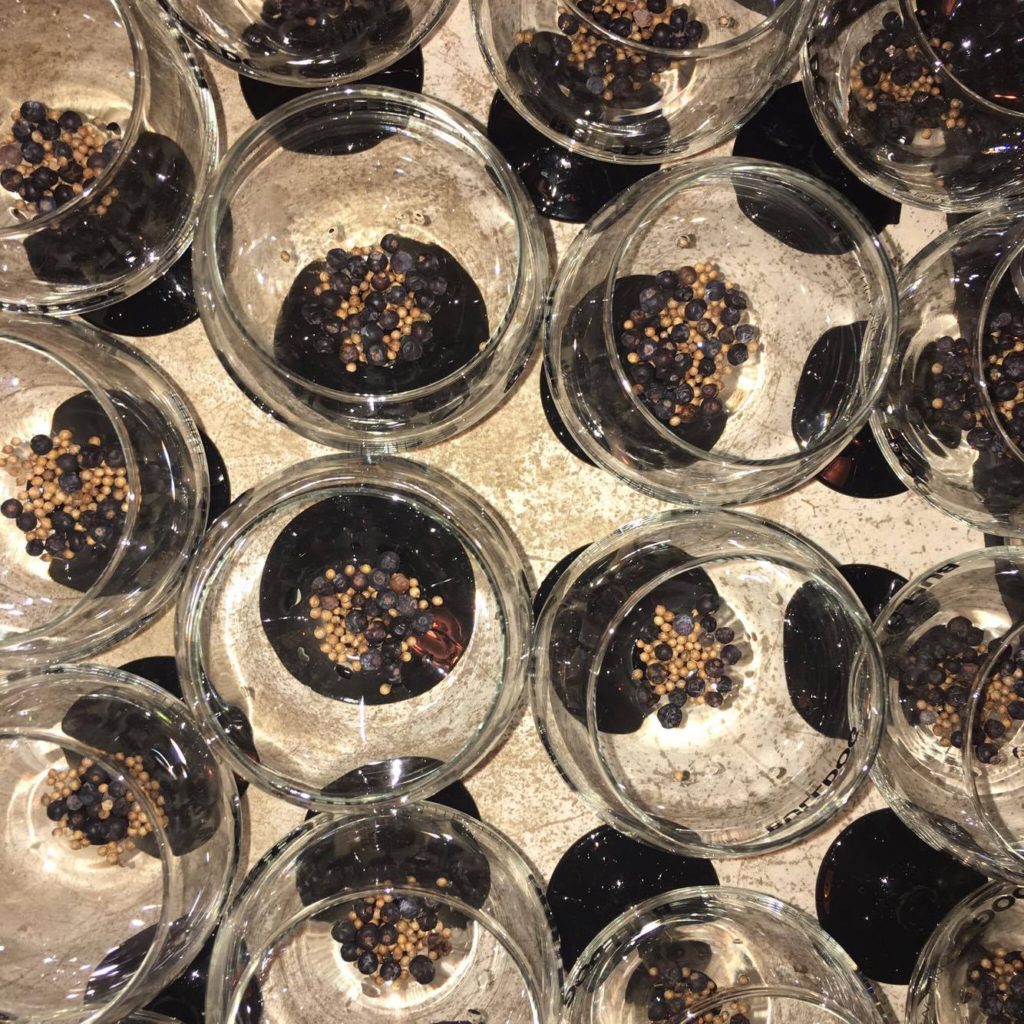
That may sound dramatic until you spend enough evenings in bars where the details are calibrated. A gin bar is especially sensitive to those details because gin itself is expressive. Juniper is only the beginning. You also get citrus peel, coriander, angelica, cardamom, pepper, florals, roots, herbs, and sometimes a surprising coastal salinity or soft cucumber note. When a spirit has that much personality, the atmosphere around it cannot be neutral. Music either sharpens the experience or fights it.
New York offers a useful laboratory for this Gin Bar NYC idea. Crowds move fast, expectations are high, and neighborhoods change personality by the block. A gin-focused room in the West Village should not sound like a rooftop in Williamsburg or a polished midtown hotel bar. The best pairings are not just about genre. They are about time of night, density of conversation, guest intent, Gin Bar NYC and the style of gin being poured.
Why music matters more in a gin bar than in most cocktail spaces
Wine bars can lean on quiet and candlelight. Sports bars can survive on screens and noise. A gin bar sits in a more delicate middle ground. It often attracts guests who are paying attention, not only to alcohol strength but to balance, aroma, and finish. That kind of guest notices friction quickly. If the soundtrack is too aggressive, botanical complexity gets lost in the room’s energy. If it is too sleepy, the bar starts to feel lifeless, even if the drinks are precise.
There is also the matter of pace. Gin drinks shift gears quickly. A gin and tonic arrives cold, bright, and fast. A martini carries ceremony. A Tom Collins opens the evening. A last-round martinez slows everything down. Because gin moves so easily from aperitif to deep nightcap territory, the soundtrack has to travel with it. One playlist mood all night is usually a mistake.
I have seen this play out in practical terms. Lower the tempo during the first serious wave of dinner-hour orders and people linger over martinis. Raise it slightly once the room fills, and tonic drinks suddenly move faster because the room starts to feel social instead of hushed. Push too hard into club volume after 9 p.m., and the guests who came for a serious aviation or vesper quietly close out and head elsewhere. Good operators know that beverage sales and music curation are linked, even if the connection rarely appears on a menu.
The clean, bright pairing: jazz-adjacent music and classic gin drinks
If there is one pairing that rarely fails, it is crisp, mid-tempo jazz or jazz-adjacent instrumentals with classic gin service. Not elevator jazz, not chaotic free improvisation, but elegant arrangements with air in them. Think brushed drums, upright bass, warm piano, a horn line that enters and leaves without crowding the room.
Why it works is simple. Classic gin cocktails are architectural. A martini, gimlet, or gin rickey is not trying to overwhelm you. These drinks reward attention to line, proportion, and finish. Music with structure and restraint supports that experience. It gives the room a pulse without demanding focus away from the glass.
This pairing shines early in the evening, especially from opening through the first dinner wave. Guests are arriving from streets that are loud, overlit, and crowded. They want a reset. A bartender presenting a frozen coupe with a lemon twist while mellow trumpet and piano sit low in the room creates the right kind of emotional contrast. The city stays outside, and the drink suddenly tastes even more exact.
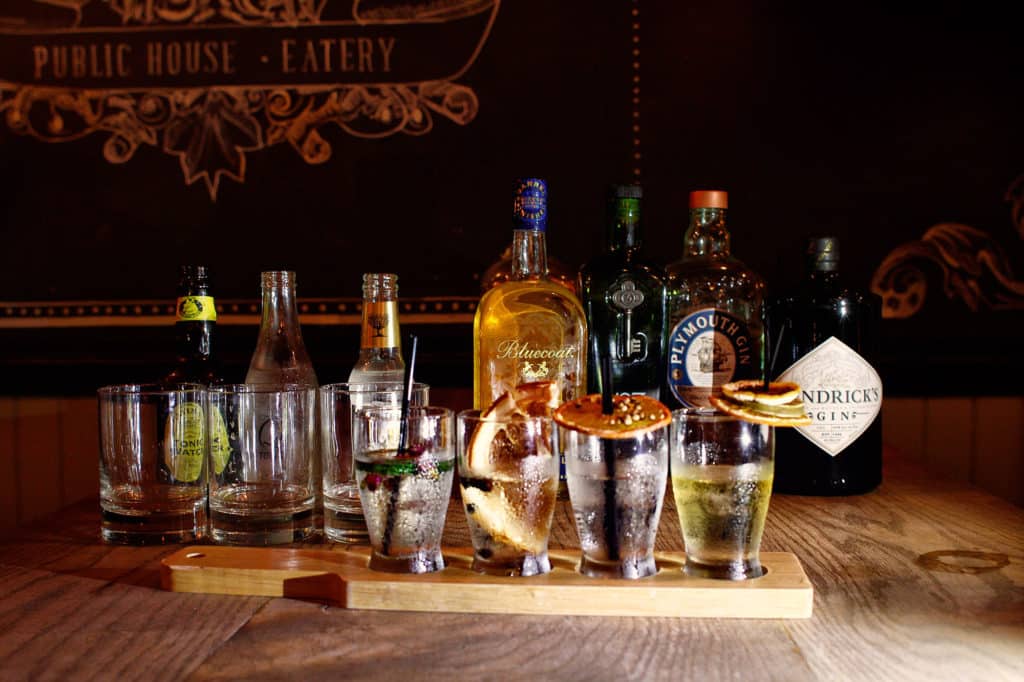
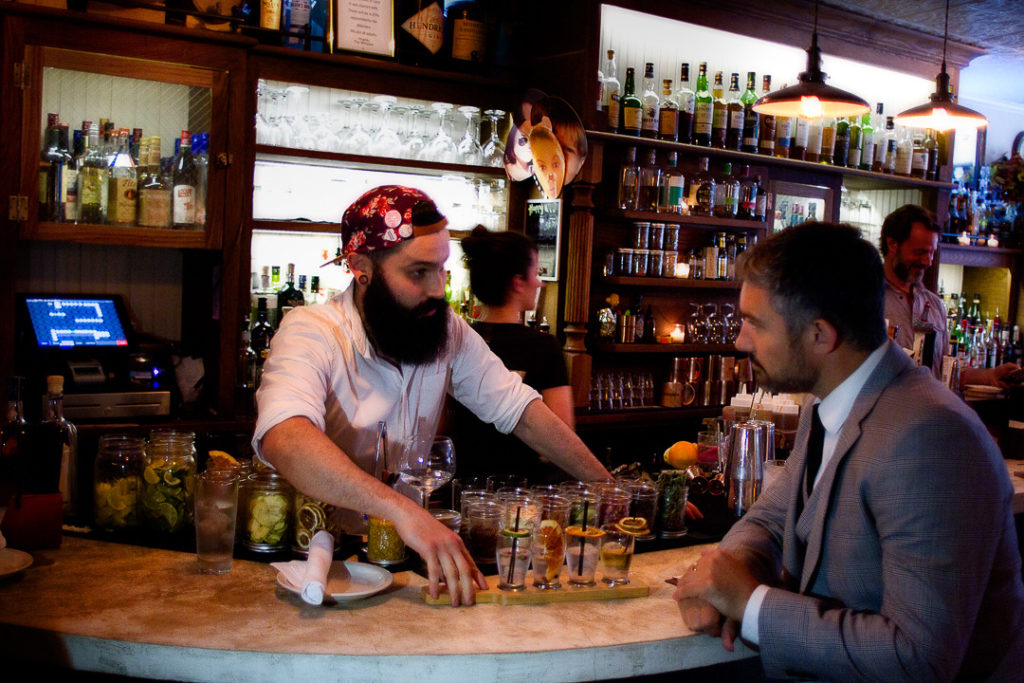
There is also a practical advantage for the bar team. Jazz at moderate volume allows conversation. Bartenders can explain a house gin flight, suggest a London dry versus a softer contemporary style, or steer a guest from a vague request toward something more satisfying. When service includes a lot of guided ordering, music must leave room for language.
When upbeat indie and soft electronic make the room feel modern
Not every gin bar should lean classic. Some of the most successful rooms in New York use gin as a modern, flexible anchor rather than a nostalgic one. In those spaces, soft electronic, downtempo house, and clean indie pop can work beautifully, especially when the cocktail list includes saline martinis, clarified punches, herb-driven spritzes, or seasonal highballs.
This pairing suits a room that wants movement but not chaos. The beat is present, though not forceful. The melodies are current enough to feel urban and fresh. The result is a mood that says precision without stiffness. Guests are still taking the drinks seriously, but they are not handling the evening with white gloves.
The best example of this dynamic often appears around 8 p.m. To 10 p.m., when a Gin Bar NYC crowd starts to split into types. Some are on dates. Some are meeting friends before dinner turns into a full night out. Others want one excellent drink and a plate of something salty before catching a late reservation elsewhere. If the soundtrack carries a subtle electronic edge, the room feels alive and stylish without losing intimacy.
There is a trade-off, though. Soft electronic music works only if the sound system is well tuned. In too many bars, bass gets muddy and flattens the room. That is bad news for gin, which thrives in environments that feel crisp. If the low end is booming, even a bright gin and tonic can start to feel blunt. Better to choose tracks with clear production and modest bass than anything dense or overly atmospheric.
Soul, funk, and the long second round
There is a moment in a strong bar service when guests stop evaluating the place and start settling in. They have had the first drink, they trust the bartender, and now they are ordering the second round with more confidence. This is where soul and restrained funk are incredibly effective.
Not the loud, obvious party tracks that turn a room into a wedding reception. The sweet spot is groove without showmanship. Tight bass lines, warm vocals, a little swagger, enough rhythm to loosen shoulders and deepen conversation. In practical terms, this music pairs exceptionally well with drinks that carry some bitterness or richness, such as a negroni variation, a gin old fashioned, or a martinez.
These drinks need a little emotional depth around them. Bright jazz can make them feel too formal. Modern indie can make them seem slightly cerebral. Soul gives them body. It invites people to stay in their seats, order olives, split another snack, and say yes to one more round even if they had planned to leave.
From an operator’s perspective, this is profitable territory. Guests ordering a second or third round in a good mood are not just spending more, they are more receptive to suggestion. This is often the point where a bartender can introduce a lesser-known gin, perhaps something with savory botanicals or a local New York distillate, and the guest is open to it because the room itself feels generous.
The rainy-night pairing: ambient textures and stirred gin cocktails
New York gets a certain kind of wet, reflective evening when umbrellas drip by the host stand and windows turn the city into blurred watercolor. On those nights, loud, bright music feels wrong. Guests arrive with damp coats, tired expressions, and a need for recovery. A smart gin bar shifts into softer territory, something ambient, cinematic, or sparse enough to let the weather become part of the atmosphere.
This mood is perfect for stirred gin drinks and lower-voiced service. Think a martinez with a little extra orange expression, a fifty-fifty martini that opens slowly, or a house cocktail built around vermouth, quinquina, or tea. These are not drinks for a high-energy soundtrack. They need patience.
The advantage of this pairing is emotional coherence. The room stops fighting the conditions outside and starts absorbing them. A guest who might otherwise have one quick drink and leave will often stay, precisely because the bar offers relief from the pace of the city. Good hospitality often means recognizing when the crowd needs energy and when it needs shelter.
There is a limit, of course. Too much ambient music and the room can become passive, even melancholy. Staff movement slows. Conversation thins out. Checks take longer to close. A bar is still a business, not a meditation chamber. The goal is softness, not drift.
Late-night tempo: when the bar wants lift without losing its center
After 10 p.m., many gin bars face a familiar challenge. The crowd wants energy, but the bar does not want to become a generic loud room where the drinks happen to contain juniper. This is where curation really shows.
Late-night music in a gin-focused space works best when it adds lift instead of aggression. Tempo can rise. The percussion can sharpen. Vocals can become more playful. But the tracks still need elegance. Disco edits, polished house, soul remixes, and rhythmic international tracks often do better than mainstream bangers because they preserve character. They tell guests that the night is opening up, not devolving.
This matters because gin itself can disappear if the environment gets too blunt. A room that is too loud tends to flatten drinking behavior into simple, fast orders. Vodka sodas take over. Guests stop asking questions. Bartenders stop selling nuance because nuance cannot survive over the speakers. For a Gin Bar NYC that has invested in thoughtful bottles, garnishes, and house signatures, that is a waste.
I have watched well-run rooms handle this transition gracefully. The first late-night cue is usually not volume, it is rhythm. The second is lighting. The third is service speed. If those three move together, guests feel the shift naturally. If volume jumps before anything else changes, the room feels forced.
Matching mood to drink style without making it mechanical
Music pairings can easily become gimmicky if handled too literally. A floral gin does not need harp music. A Spanish-style gin and tonic does not require flamenco. Direct, obvious pairings are usually less effective than mood-based alignment.
What matters most is emotional texture. A citrus-driven gin highball wants brightness and motion. A savory martini wants precision and space. A sloe gin cocktail can carry a warmer, more nostalgic soundtrack. The relationship is associative, not theatrical.
Here is where judgment counts. A bar in SoHo full of fashion-adjacent guests may tolerate sharper curation than a neighborhood spot in Brooklyn where the crowd wants familiarity. A date-heavy room can support lower volume and more vocal warmth. A post-work location near offices may need stronger tempo at 6:30 p.m. Just to shake off corporate fatigue. Same spirit, different context.
A practical framework that works in real service looks like this:
- Match the soundtrack to the room’s social intent before matching it to the drinks.
- Let tempo rise with occupancy, not with the clock alone.
- Preserve enough sonic space for menu guidance and guest conversation.
- Use richer grooves for bitter or stirred drinks, brighter arrangements for tall and citrus-driven cocktails.
- Change mood gradually, because abrupt shifts make guests feel manipulated.
That is less romantic than talking about perfect pairings, but it is how the best bars actually operate. They read the room first.
The role of acoustics, which most guests notice without naming
Two gin bars can play the same track and create completely different experiences. The missing variable is acoustics. Hard surfaces, low ceilings, glassware density, bar shape, and crowd volume all affect how music lands. This is especially important in New York, where many venues occupy narrow footprints with reflective materials.
A gin bar often relies on certain sounds that should remain audible, though not exaggerated: ice hitting a shaker, the soft crack of a fresh tonic bottle, stirring in mixing glasses, a peel expressed over a coupe. These sounds reinforce quality. If the room’s audio profile swallows them entirely, some of the sensory theater disappears.
That does not mean the bar should fetishize silence. It means music should support tactile cues rather than erase them. This is one reason moderate volume feels so good in cocktail spaces. Guests hear enough of the room to feel present. The experience becomes layered instead of flattened into noise.
Acoustics also affect what kind of music works. In a live-sounding room with lots of reflective surfaces, dense tracks with heavy percussion can become tiring within twenty minutes. In a more upholstered room, the same tracks may feel smooth and warm. Anyone building a playlist for service should test it in the empty room, then again at half capacity, then again when full. Music curation on a laptop tells you almost nothing about what happens once fifty conversations enter the mix.
Seasonal shifts change the ideal pairing
Winter and summer gin service are different animals, even if the menu has overlap. In colder months, guests often lean toward martinis, negronis, and stronger stirred drinks. They arrive layered, slightly tense, and ready to settle in. Music can afford more depth, more warmth, more patience.
In summer, especially in New York, the room has heat before the first guest sits down. People walk in already overstimulated from the sidewalk. They want refreshment quickly. Highballs, Collins variations, frozen or crushed-ice offerings, and bright aperitif-style cocktails move better. Sound should follow suit. Cleaner rhythms, lighter arrangements, and more lift tend to suit the season.
Spring and fall are trickier, and usually more interesting. These are shoulder seasons where the mood can swing dramatically with the weather. A cool April rain wants one soundtrack. The first genuinely warm evening in May wants another. The best bars do not lock themselves into a single identity so hard that they miss these cues. Flexibility is not inconsistency. It is hospitality.
What guests are usually seeking, even if they never say it aloud
People rarely walk into a gin bar and announce the mood they want. They communicate it indirectly. The pace of the way they remove a coat. Whether they scan the back bar or look immediately at each other. Whether they ask for menus or say, “What are you known for?” Whether they order a martini without hesitating or ask for something light and easy.
Music helps answer those signals before the bartender speaks. A room with tasteful, mid-tempo energy tells a date that they can relax. A room with softer, moodier sound tells a solo guest that lingering with a book or notebook is acceptable. A room with groove tells a small group that the night can grow from here.
In the best Gin Bar NYC settings, you feel this alignment almost subconsciously. The tonic is cold, the glassware feels right in the hand, and the soundtrack seems to understand what kind of night you hoped to have before you had found words for it.
Pairings that consistently work in practice
Some combinations are so dependable that they deserve to be named plainly, especially for anyone shaping a menu, playlist, or guest experience.
- Dry martini with low-volume jazz piano or vocal standards that leave room for conversation
- Gin and tonic with clean indie pop or soft electronic tracks that feel fresh and lightly kinetic
- Negroni or martinez with soul, restrained funk, or groove-forward deep cuts
- Seasonal herbaceous highball with bright downtempo house or polished disco edits
- Late-night house martini service with elegant, rhythmic tracks that raise energy without pushing volume too hard
These are not rigid rules. They are useful baselines. Once a room knows its own identity, it can push further. But if a bar gets these fundamentals right, guests almost always feel the difference.
The best pairing is coherence
A gin bar does not need a grand theory of music. It needs coherence. The spirit selection, the glassware, the garnish discipline, the lighting, the staff tone, and the soundtrack should all appear to belong to the same world. When they do, the bar feels inevitable, as if it could not be any other way.
That is what separates places people merely visit from places they return to. They may remember a specific drink, or a song that came on at exactly the right time, or the way the room shifted from early evening calm to late-night ease without ever losing itself. More often, they just remember that the night felt right. At a great gin bar, that feeling is never accidental. It is built, one track and one pour at a time.
The Winslow
243 E 14th St
New York, NY 10003, United States
Phone: +1 212-777-7717
FAQ About Gin Bar NYC
How to do a gin tasting?
Start with a small pour and gently smell the gin before taking a small sip. Notice its juniper, citrus, floral or spice notes, then compare how the flavor changes with a little water or tonic. At a gin bar, ask the bartender to explain the selection and botanical pairings.
How to make the best tasting gin and tonic?
Use chilled gin, fresh tonic and plenty of ice. A common starting ratio is one part gin to two parts tonic, adjusted to taste. Choose a garnish that complements the gin's botanicals and stir gently to preserve the bubbles.
What is the smoothest tasting gin?
There is no single smoothest gin for everyone. Perceived smoothness depends on the botanical recipe, alcohol strength, serving temperature and mixer. Describe whether you prefer citrus, floral, herbal or juniper-forward flavors so a bartender can suggest a suitable style.